
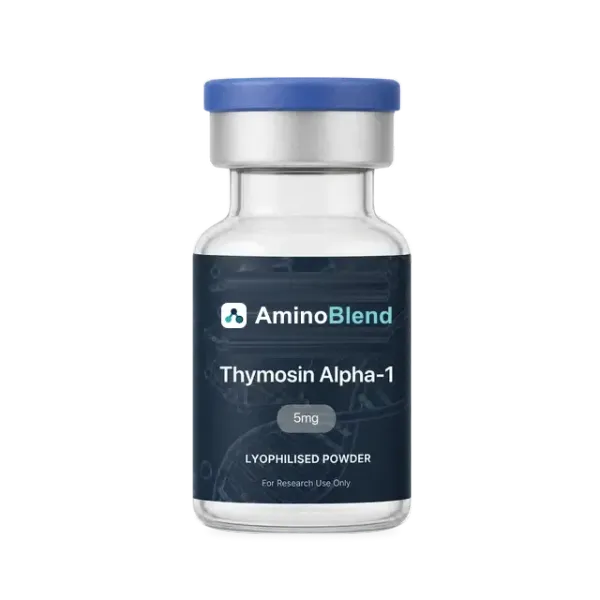
Thymosin Alpha-1
From $59
Research use only. AminoBlend supplies research compounds for laboratory and in-vitro use, not for human or animal consumption. By continuing you confirm you are 18 or older and buying for research.
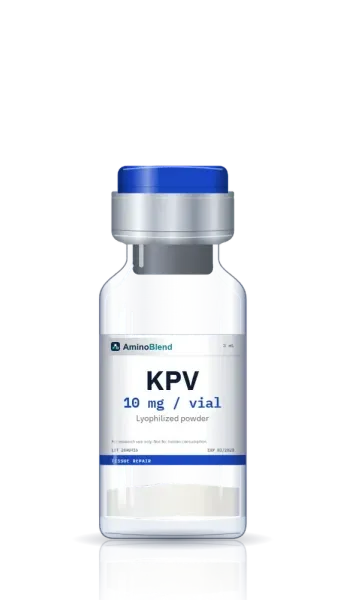
10 mg vial
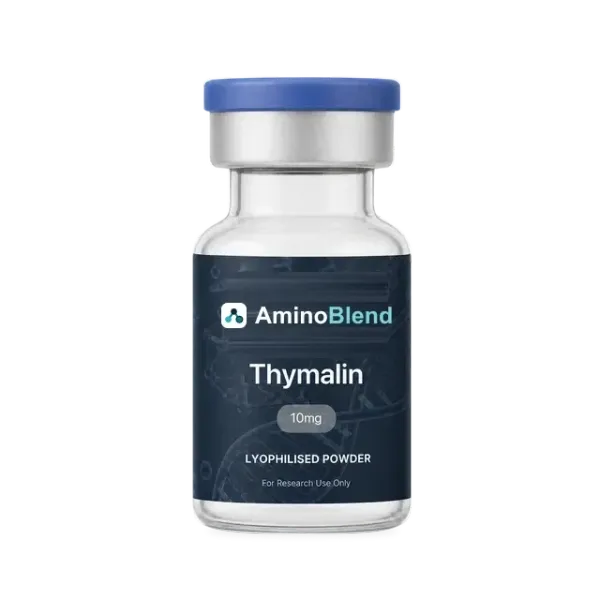
10 mg vial

Peptides Darwin researchers buy from AminoBlend are lyophilised research compounds, each lot backed by its own independent certificate of analysis and held in Australian stock. Working in the Top End brings particular problems: humidity above 70% for months, build-up afternoons over 33 °C and wet season storms that knock out power. This page covers which compounds to shop for tropical health research, how to check a COA, and how to keep vials stable in Darwin conditions.
Darwin's health research is shaped by where it sits. Charles Darwin University has its main campus at Casuarina, and the Menzies School of Health Research works from the Royal Darwin Hospital campus at Tiwi, with a long record in melioidosis, malaria and rheumatic heart disease and a strong focus on Aboriginal and Torres Strait Islander health. Naming them does not suggest any tie to AminoBlend; they have not endorsed us. The point is that infection, inflammation and tissue repair are the questions Top End science returns to.
Thymosin Alpha-1, a 28-residue peptide first purified from calf thymus, is the usual first buy for immune-signalling work, in 5 mg or 10 mg vials. KPV, the alpha-MSH tripeptide Lys-Pro-Val, comes as a 10 mg vial for inflammation models. Thymalin, $119.99 for 10 mg, completes the immune peptides category for groups comparing thymic preparations.
There is no counter or collection point for research peptides anywhere in the Northern Territory, so a search for peptides near me in Darwin ends in the same place: an online order. AminoBlend sells its whole range online from Australian stock, and the price of a vial in Darwin is the price everywhere else. Researchers in Casuarina, Palmerston or out at Humpty Doo shop the same listings, read the same certificates and pick from the same sizes.
MOTS-c, a 16 amino acid peptide encoded in mitochondrial DNA, suits metabolic and exercise models and is one of the few compounds we stock in three sizes: 10 mg at $69, 20 mg at $119 and 40 mg at $189, so the price per mg falls from $6.90 to $5.95 to $4.73 as the fill grows. Darwin teams are often small, and buying more than a group can use in one reconstitution window wastes material. A 10 mg vial with 2 mL of bacteriostatic water gives 5 mg per mL, enough for many in vitro runs. Choose 40 mg only when the protocol will use it within about four weeks or you will freeze it in aliquots. Our advice: buy the 10 mg vial online first, then order the larger size once the series is proven.
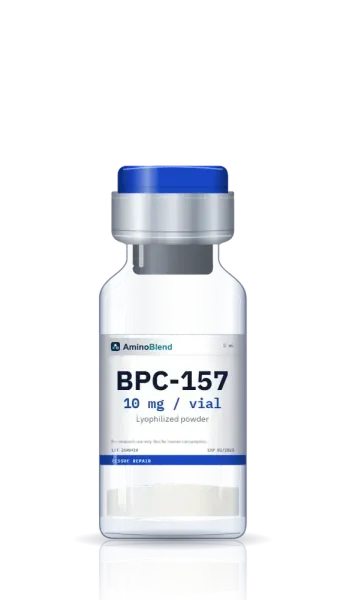
For wound and tissue models, BPC-157 is offered as a 10 mg vial. Our recommendation for a new inflammation project is to buy KPV and BPC-157 as separate arms before trying any blend, because the single-compound baseline is what makes a later combination study readable.
A sealed vial copes with tropical air because the stopper keeps moisture out. The risk starts when it is opened or pierced, as freeze-dried powder is hygroscopic and water speeds breakdown.
Wet season storms and cyclone warnings bring outages. A full freezer with the door kept shut holds temperature far longer than a half-empty one, and a min-max thermometer shows whether stock went above 8 °C while the power was off.
An outside laboratory tests each lot. Type the lot number from your label into the COA library and compare it with the vial before it goes in the fridge. Thymosin Alpha-1 should show a mass close to 3108 Da, while KPV, at about 342 Da, is small enough that a wrong result is easy to spot. HPLC purity should appear as a figure with its chromatogram. The peptide reconstitution calculator then converts vial and diluent volume into syringe units.
AminoBlend products are research reagents only. None has TGA approval for therapeutic use, none is for human or animal administration, and buyers must be 18 or older. Researchers on tropical questions in far north Queensland may also find our peptides Cairns page useful, and you can shop the full range in the online peptide shop.
AminoBlend sells research peptides to Darwin and the wider Top End through its online store only. Each vial carries a lot number linked to an independent certificate of analysis showing mass spectrometry and HPLC results, and the range is held in Australian stock. Products are for laboratory research, are not TGA approved and are sold only to buyers aged 18 or over.
Leave each vial capped until the moment you need it, and give a chilled one about 15 minutes on the bench before the needle goes through the rubber, so moist air cannot bead inside the glass. Reconstitute in an air-conditioned room. Lyophilised powder absorbs moisture readily, and water in the cake speeds up degradation, so a dry working space matters more in the Top End than in drier cities.
Check a min and max fridge thermometer first. If reconstituted solutions stayed below about 8 °C, they can generally be used as planned. If they warmed well above that for many hours, treat them as compromised and mix a fresh vial. Sealed lyophilised vials tolerate short warm periods much better than solutions do.
Thymosin Alpha-1 and KPV are the two most relevant starting points. Thymosin Alpha-1, available in 5 mg and 10 mg vials, is used in immune-signalling studies, while KPV, a 10 mg tripeptide vial, is studied in inflammation models. Buy them as separate arms first to get a clean baseline for any later combination work.