
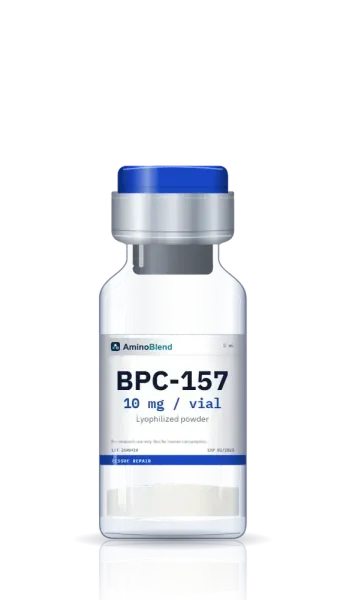
BPC-157
From $69
Research use only. AminoBlend supplies research compounds for laboratory and in-vitro use, not for human or animal consumption. By continuing you confirm you are 18 or older and buying for research.
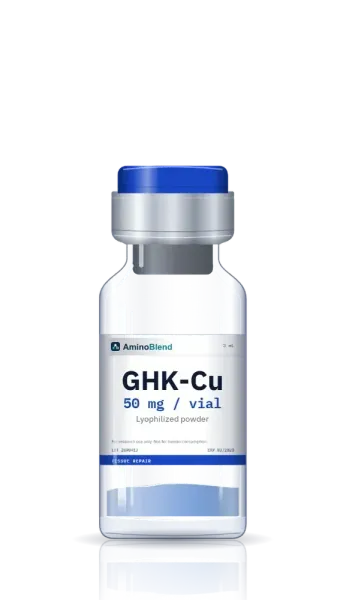
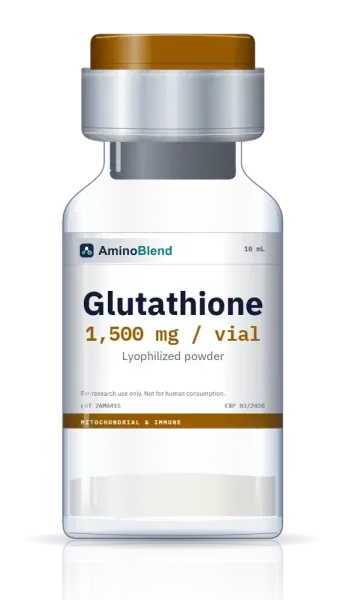
1,500 mg vial
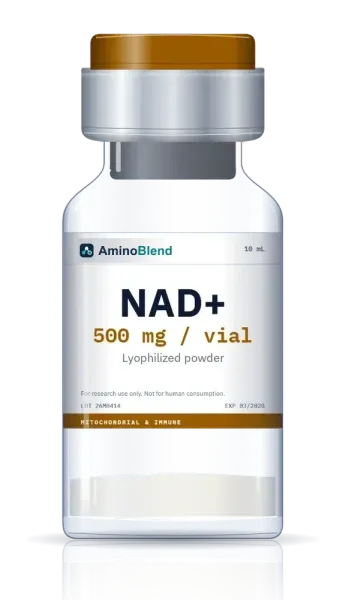
500 mg vial
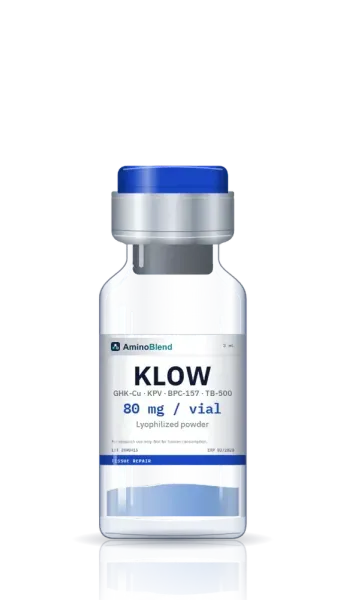
80 mg vial

Peptides Hobart researchers buy from AminoBlend are lyophilised, lot-tested research materials sold online from Australian stock, and each lot has an independent certificate of analysis you can open before a vial is reconstituted. This page covers what Tasmanian researchers tend to order: compounds suited to musculoskeletal, skin and ageing models, a sound way to check a COA, and mixing advice for a city where the lab bench can sit at 14 °C on a July morning.
Most of Tasmania's biomedical research happens within a few kilometres of the Derwent. The University of Tasmania has its main campus at Sandy Bay and a medical science precinct in the city centre, where the Menzies Institute for Medical Research sits beside the Royal Hobart Hospital. Menzies is known for long-running population studies and work on multiple sclerosis, osteoarthritis and dementia, and the Wicking Dementia Research and Education Centre adds neuroscience depth. On the waterfront, the Institute for Marine and Antarctic Studies and CSIRO's marine labs focus on ocean science. None of these institutions has any connection with AminoBlend or recommends a supplier.
That research mix points to three shelves. For joint and connective tissue models, shop BPC-157, a 15-residue gastric protein fragment of about 1419.5 Da. For dermal and wound work, GHK-Cu, the copper complex of glycyl-histidyl-lysine, comes in 50 mg and 100 mg vials of distinctive blue powder. For ageing and oxidative stress, glutathione is $69 for 1,500 mg and NAD+ is $79 for 500 mg. Groups comparing blends can look at KLOW, an 80 mg vial at $139, in the skin and hair peptides category.
BPC-157 is for sale as a 10 mg lyophilised vial at $69 or as 60 capsules for $79. For cell culture and other in vitro work we recommend the vial every time. Capsule excipients add material you cannot easily account for in a culture medium, while a reconstituted vial gives a clean, known concentration. Buy the capsules only when the study design specifically calls for that format.
Shop the BPC-157 vial with a 3 mL bacteriostatic water and you have everything for a first run; order the 10 mL size if you will also mix GHK-Cu. Tasmanian buyers order from the same Australian stock as the mainland, and you can shop the rest of the range from the AminoBlend shop.
Look up peptides near me from Battery Point or Moonah and you will not find a counter selling lot-certified research vials, in Hobart or anywhere else in Tasmania. You do not need one. AminoBlend sells the full catalogue online, so a lab at Sandy Bay buys from the same Australian stock, at the same prices, as a group in Melbourne. When the question is where to find peptides near me in Hobart, the answer is the online listing with its certificate attached.
Open the certificate of analysis library and search for the code printed on your vial. A useful certificate shows a mass spectrometry result confirming the expected molecular weight, an HPLC chromatogram with a stated purity, the testing laboratory's name and a test date. For GHK-Cu, look for a mass that reflects the copper complex rather than the free tripeptide. If the certificate and label disagree, set the vial aside and contact us; a sealed vial can still be assessed, a reconstituted one usually cannot.
Hobart winters are mild by world standards, with overnight lows around 5 °C, but older homes, sheds and lab rooms run cold through June to August. Cold diluent from a chilly cupboard dissolves a lyophilised cake more slowly, and a vial taken from the fridge picks up condensation as it warms. Let both sit at room temperature for 15 to 20 minutes, swab the stoppers, run the water down the inside wall and swirl. A 50 mg GHK-Cu vial with 5 mL of bacteriostatic water gives 10 mg per mL; the reconstitution calculator does any other combination.
Summers usually top out in the low 20s, so many houses have no air conditioning. The exception is a hot north-westerly; the city recorded 41.8 °C in January 2013, and a vial on a sunny bench heats fast on days like that. Sealed vials needed in the next few weeks sit happily at 2 to 8 °C; anything held longer goes in the freezer at minus 20 °C, and solutions should be finished within about 28 days. A small freezer is worth having if you buy the 100 mg GHK-Cu vial and split it into aliquots.
AminoBlend supplies research chemicals, not therapeutic goods. Nothing we sell is approved or listed by the TGA, nothing is intended for human or veterinary use, and we sell only to customers 18 or older. Researchers who collaborate across Bass Strait will find Victorian context on our peptides Melbourne page.
Hobart researchers can buy research peptides from AminoBlend online, as there is no Tasmanian shopfront. The range is held in Australian stock, and each lyophilised vial has a lot number that matches an independent certificate in our COA library, so identity and purity can be confirmed before reconstitution. Everything is restricted to lab research and to adults 18 and over.
For in vitro research, buy the 10 mg vial at $69. Reconstituting it with a measured volume of bacteriostatic water gives a precise, known concentration with nothing else in solution. The 60 capsule pack contains fillers and excipients that are hard to account for in cell culture, so it suits different study designs and makes concentration control less exact.
Yes. Let both the sealed vial and the bacteriostatic water reach room temperature, which takes about 15 to 20 minutes. Cold diluent dissolves lyophilised powder more slowly, and a chilled vial attracts condensation on the stopper. Once both are at room temperature, add the water down the glass wall and swirl gently rather than shaking.
Choose the 50 mg vial at $49 unless you will use most of the 100 mg vial within about four weeks of mixing. Reconstituted GHK-Cu should be kept at 2 to 8 °C and used inside that window, so a larger vial often ends up partly wasted. Groups running long series can freeze single-use aliquots at minus 20 °C instead.