

IGF-1 LR3
1 mg vial
$99
Research use only. AminoBlend supplies research compounds for laboratory and in-vitro use, not for human or animal consumption. By continuing you confirm you are 18 or older and buying for research.
1 mg vial
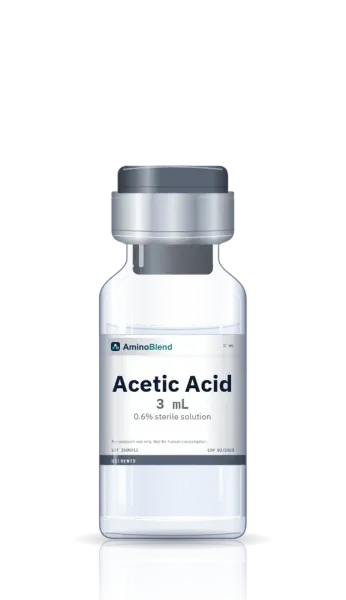
3 mL
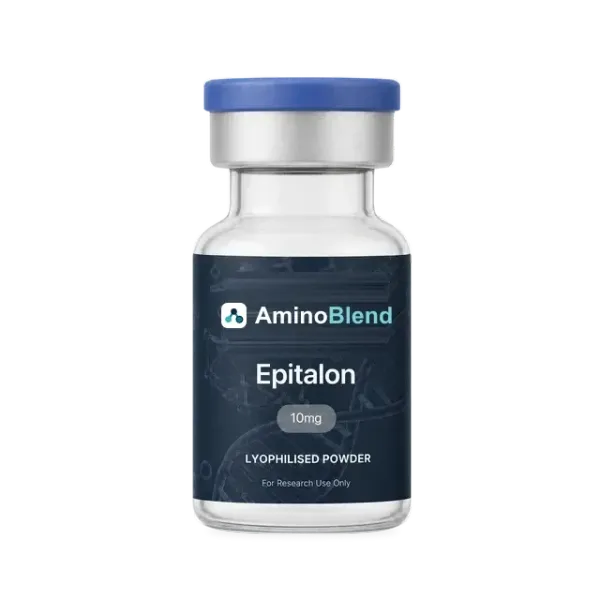
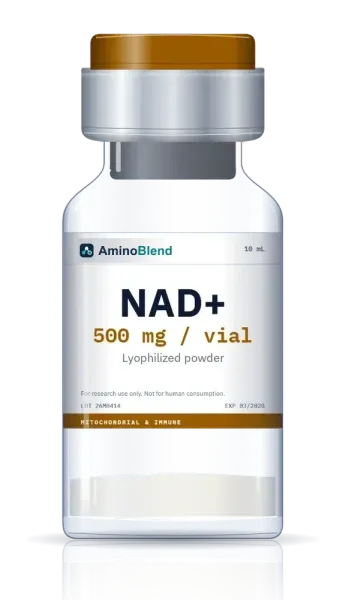
500 mg vial
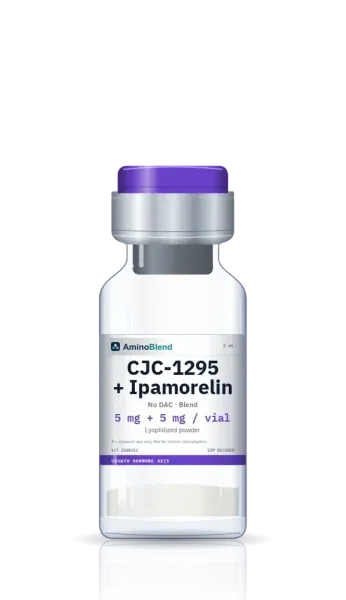
10 mg vial

Need peptides in Geelong for laboratory work? AminoBlend sells independently tested research compounds online, each lot with its own certificate of analysis, and the growth factor, longevity and growth hormone axis compounds most relevant to Geelong research are all held in Australian stock. You can buy the diluents some of them need in the same order. Everything is sold for research use only.
Geelong has more research infrastructure than its size suggests. Deakin University's Waurn Ponds campus houses the School of Medicine and the Institute for Mental and Physical Health and Clinical Translation (IMPACT), which studies links between metabolic health, nutrition and the brain. University Hospital Geelong, run by Barwon Health, is the clinical hub, and in East Geelong CSIRO's Australian Centre for Disease Preparedness is a high containment facility for animal and emerging disease research. They do not buy from us; we list them only to describe the city's research profile, where exercise physiology, ageing and muscle biology are strong threads.
IGF-1 LR3 is an 83 amino acid analogue of insulin-like growth factor 1 with an arginine substitution at position 3 and a 13 amino acid extension that reduces binding to IGF binding proteins. It is a staple of cell culture and muscle hypertrophy models, and a 1 mg vial is $99. Unlike most peptides, it is normally reconstituted in 0.6% acetic acid rather than bacteriostatic water, because the mildly acidic solution keeps it soluble. The acid is $9 for 3 mL, so buy it with the vial rather than discovering the gap at the bench.
Plan the whole IGF-1 LR3 experiment before you mix. It loses activity faster than most compounds once in solution, and a vial reconstituted weeks ahead of the first assay is partly wasted. A 1 mg vial in 1 mL of acid gives 10 mcg per unit on a U-100 syringe, which makes small draws easy to repeat; the peptide calculator handles other volumes.
Epitalon, the synthetic tetrapeptide Ala-Glu-Asp-Gly, is studied mostly for its reported effects on telomerase activity, and it comes in 10 mg and 50 mg vials. NAD+ supports work on cellular energy and sirtuin pathways in a 500 mg vial at $79. Both sit in the longevity peptides category. For growth hormone pulse studies, the CJC-1295 and ipamorelin blend is a single 10 mg vial at $65, which works out at $6.50 per mg.
Why buy these from AminoBlend? You shop a range held in Australian stock, each lot comes with a published certificate, and fills are printed on the label. Buy IGF-1 LR3 with its acid, buy epitalon in the size that matches your series, and check every lot online before mixing. You can shop the remaining compounds in our online shop.
Nobody in Geelong runs a shopfront selling lot-certified research vials, and a peptides near me search from Belmont or Torquay finds nothing worth buying. AminoBlend sells online to the whole region, from Lara to Ocean Grove, and Geelong buyers see the same Australian stock, prices and certificates as Melbourne labs. If you are after peptides near me in Geelong, the quickest honest route is to open the listing, read the COA and order there.
Geelong is cooler than the Queensland cities but not gentle on reagents. A January northerly can push past 40 °C, and a cool change off the bay can cut twenty degrees the next day. Those swings hurt any vial left on a bench or in a car.
Labs on the Bellarine see milder peaks but saltier, damper air. A sealed vial does not mind; an opened one does. NAD+ deserves its own note: it is a dinucleotide, light-sensitive in solution, and best kept boxed and used sooner than epitalon.
Match the lot number on your vial to its entry in the COA library. For IGF-1 LR3, confirm a mass near 9,111 Da, the clearest sign you have the long R3 variant rather than native IGF-1 at about 7,649 Da. Then check HPLC purity and the test date. Certificates speak to identity and purity only, not to safety.
AminoBlend products are not TGA approved and not intended for human or veterinary use. They are research chemicals for laboratory study, sold only to adults over 18. For the hospital and university precinct at Parkville, see our Melbourne peptides page.
AminoBlend sells research peptides online to labs in Geelong, the Bellarine and the Surf Coast, from Australian stock. The range includes IGF-1 LR3, epitalon, NAD+ and a CJC-1295 with ipamorelin blend, plus acetic acid and bacteriostatic water. Each lot has an independent certificate you can look up by the lot number printed on the vial before you buy.
IGF-1 LR3 is usually reconstituted in 0.6% acetic acid because the mildly acidic solution keeps it dissolved and helps preserve its activity. Bacteriostatic water can work, but many protocols prefer the acid. After mixing, refrigerate the solution at 2 to 8 °C or freeze aliquots, and use it sooner than you would a more stable peptide.
Epitalon is a four amino acid synthetic peptide, Ala-Glu-Asp-Gly, studied mainly in ageing models. Most of the published work comes from Russian research groups and looks at telomerase activity, melatonin regulation and lifespan in animal models. AminoBlend supplies it strictly for laboratory research, and it is not approved by the TGA.
Keep sealed vials refrigerated at 2 to 8 °C, and never on a bench or in a car during hot northerly days when Geelong can pass 40 °C. For storage longer than a few months, freeze lyophilised vials at minus 20 °C. Once reconstituted, refrigerate the solution, protect it from light and avoid repeated freeze and thaw cycles.