
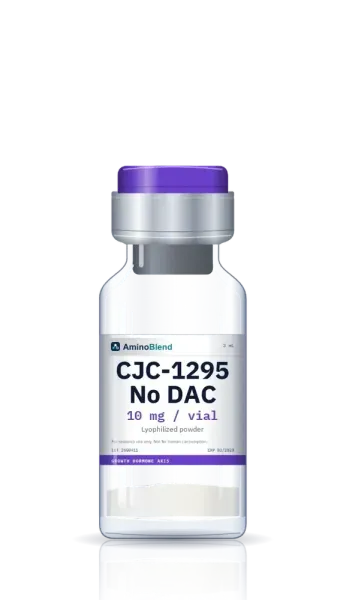
CJC-1295 No DAC
10 mg vial
$79
Research use only. AminoBlend supplies research compounds for laboratory and in-vitro use, not for human or animal consumption. By continuing you confirm you are 18 or older and buying for research.
10 mg vial
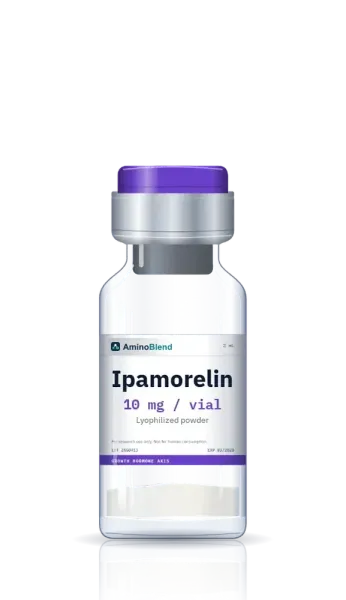
10 mg vial
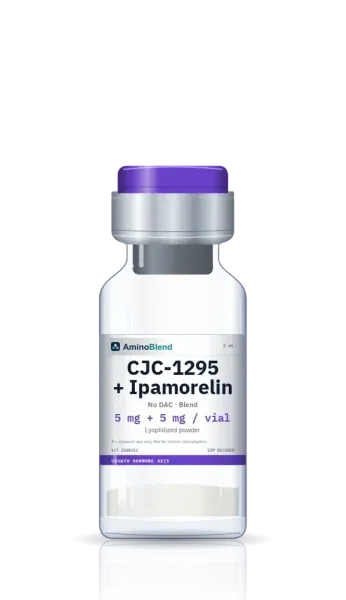
10 mg vial
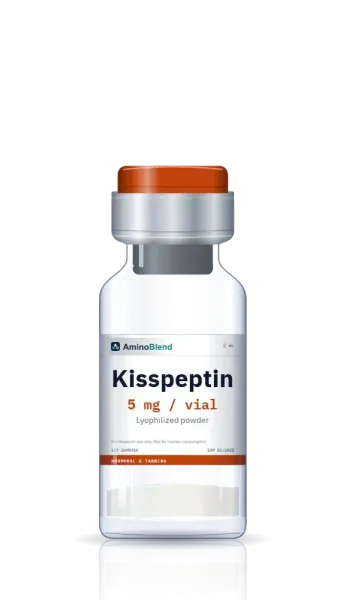
10 mg vial

Peptides Newcastle researchers buy from AminoBlend come as lyophilised vials with an independently verified certificate for every lot, sold online from Australian stock for laboratory research only. This page is for scientists across Newcastle, Lake Macquarie and the Hunter Valley. It covers the region's research strengths, the growth hormone and reproductive peptides worth ordering, how to judge a COA, and how to store vials when a Maitland afternoon hits 40 °C.
The University of Newcastle's main campus is at Callaghan, and the Hunter Medical Research Institute sits at New Lambton Heights beside John Hunter Hospital, the region's major teaching hospital. HMRI and the university run programs in pregnancy and reproduction, asthma, stroke, cancer and mental health, and the university has a long-standing name in fertility biology. These institutions are named for context only; none of them endorses us or any supplier. Their focus on reproduction and endocrine function is why the growth hormone and kisspeptin listings matter most here.
The growth hormone peptides range covers several mechanisms. CJC-1295 No DAC, often called modified GRF 1-29, is a GHRH analogue with a half-life of roughly 30 minutes, at $79 for 10 mg. Adding DAC lets CJC-1295 latch onto albumin and pushes its half-life out to several days. Ipamorelin, $59 for 10 mg, works on a different receptor as a selective agonist at GHS-R1a, the ghrelin receptor.
Both pathways meet in the CJC-1295 and ipamorelin blend, a single 10 mg vial for $65. Our opinion: for any study asking how GHRH and ghrelin receptor signalling interact, buy the two singles first. Once you know each one's effect alone, the blend becomes a fair test of the combination. The DAC versus No DAC guide explains why the two CJC versions should never be swapped partway through.
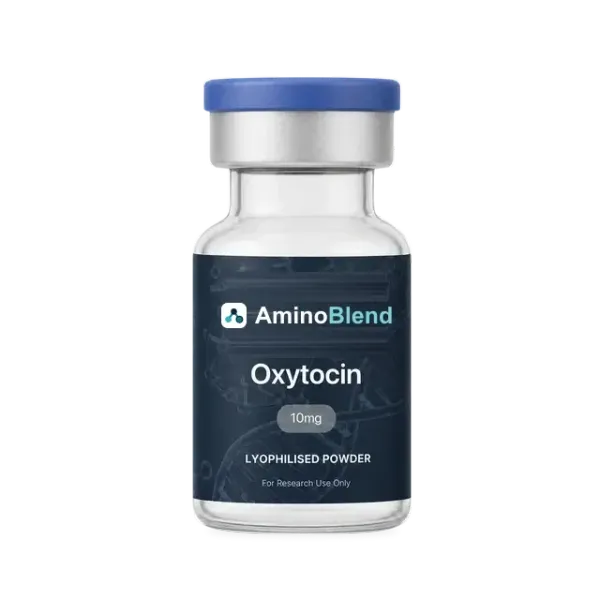
Kisspeptin acts on the KISS1 receptor upstream of GnRH release, a natural fit for the reproductive biology the Hunter is known for. It is $45 for 5 mg or $69 for 10 mg. Oxytocin, a 9 amino acid neuropeptide, is a 10 mg vial at $109.99 for reproductive and behavioural work. Buy the 5 mg kisspeptin first if your series is short; it is easier to finish inside a single reconstitution window.
Why buy from AminoBlend? The vials come from Australian stock, the certificate for your lot is online before you order, and the fill is printed on each label. Order the GH singles and the blend together and you can shop one diluent for all three; shop anything else in the online peptide shop.
There is no Hunter shopfront for lot-certified research peptides, so a search for peptides near me in Newcastle, Charlestown or Maitland comes up empty. AminoBlend trades online. The whole catalogue sits in Australian stock, and a lab at Callaghan buys from the same listings and certificates as one in Sydney. If you need peptides near me in Newcastle, open the product page, check the lot and shop from there.
Copy the lot code off the vial and look it up in the online COA library. A certificate worth trusting gives an HPLC purity figure with its chromatogram, a mass spectrometry result that matches the compound, the independent laboratory's name and a test date. With a blend, look for confirmation of both components. If anything disagrees with the label, hold the vial back and get in touch before it is reconstituted.
Newcastle has a moderate coastal climate, but conditions change fast inland. Maitland, Cessnock and Singleton regularly see summer days in the high 30s, and a vial left in a ute at a vineyard or on a sunny site office desk gets far hotter than any lyophilised peptide should. Sealed vials due for use this month belong in the fridge; anything waiting longer should go to minus 20 °C. Mixed solutions go back in the fridge and should be finished within roughly 28 days; CJC-1295 with DAC, at 5 mg, is often the easiest to finish in that window.
Adding 2 mL of bacteriostatic water to a 10 mg vial gives 5 mg per mL, while 5 mL gives 2 mg per mL, which suits small, frequent measurements. The peptide dose calculator converts your volume to syringe units. Label each mixed vial with the date, concentration and lot number straight away: three clear 10 mg vials look identical in a fridge, and a CJC-1295 and ipamorelin mix-up would invalidate a run.
Nothing AminoBlend sells is a registered medicine. The range has no TGA approval, is not for use in humans or animals, and is sold only to buyers 18 or older. For research activity further down the coast, our peptides Wollongong page covers the Illawarra.
Newcastle and Hunter researchers can buy peptides from AminoBlend online, and there is no local store. The range is held in Australian stock, and every vial carries a lot number that opens an independent certificate with HPLC purity and mass spectrometry data. Products are for laboratory research only, have no TGA approval and are sold to buyers aged 18 and over.
Separate vials are the right call when you need to see what each compound does alone. CJC-1295 No DAC and ipamorelin act through different receptors, so single vials let you measure each pathway before testing them together. The 10 mg blend is the better buy once the fixed combination itself is what your study is measuring.
Albumin binding is the difference. With DAC attached, CJC-1295 hitches a ride on circulating albumin and lasts several days, against roughly 30 minutes without it. The two behave very differently in a study, so pick one version and keep it constant throughout.
About 28 days when mixed with bacteriostatic water and kept in a fridge at 2 to 8 °C, away from light. The outside temperature does not change that window as long as the fridge holds steady. What does matter is time out of the fridge, so never leave a solution on a warm bench or in a vehicle.