
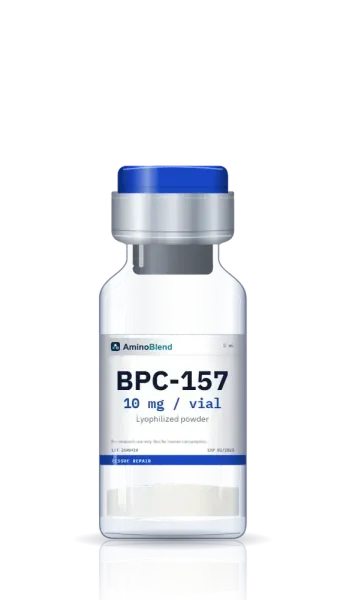
BPC-157
From $69
Research use only. AminoBlend supplies research compounds for laboratory and in-vitro use, not for human or animal consumption. By continuing you confirm you are 18 or older and buying for research.
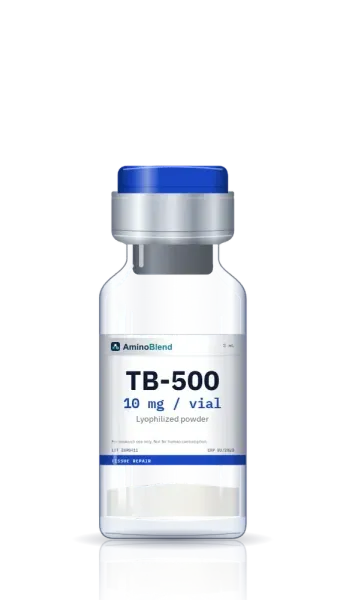
10 mg vial
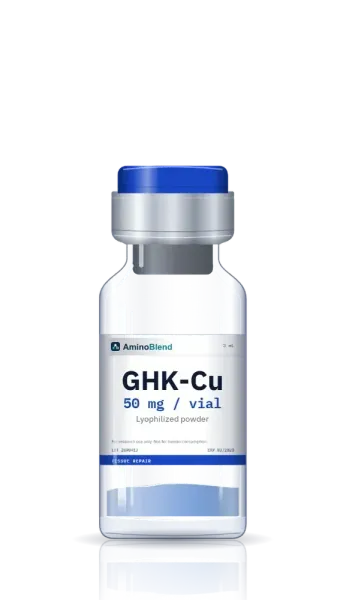
10 mg vial
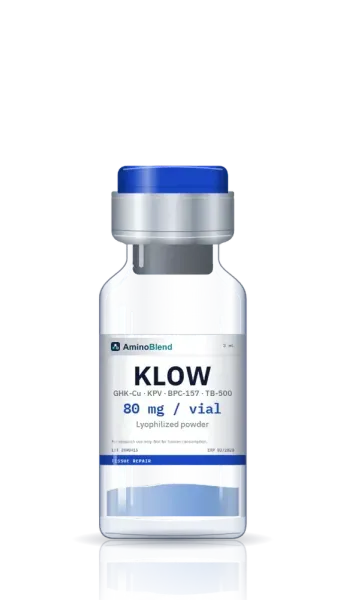
80 mg vial

Buy lab tested peptides online in Australia and read the certificate for the exact lot before it goes in your cart. A third party laboratory confirms the molecule by mass spectrometry and reports purity from an HPLC run on every AminoBlend batch, and your vial carries the same lot code as that report. This page shows what the testing proves, where it stops, and how to shop with the paperwork open beside you.
Before a lot goes on sale, samples go to an independent laboratory that we do not own. The laboratory reports two things: whether the compound is the one on the label, and how pure it is. Both results go onto a certificate issued for that one batch, and the lot number printed on each vial, capsule bottle, spray or pen links back to it.
That applies across the range, from single peptides such as TB-500 to the multi-component vials on our peptide stacks page and ready-to-use formats such as pre-filled pens, nasal sprays and capsules. You buy a specific lot, and you can read that lot's certificate, not a sample report from an earlier batch.
Mass spectrometry answers "is this the right molecule?" It measures the mass of the molecules in the sample and compares the observed mass with the theoretical mass of the sequence. BPC-157 (GEPPPGKPADDAGLV), for example, has a molecular weight of about 1419. A match confirms the peptide chain is the one ordered; a mismatch points to a wrong sequence, a truncated chain or a different compound altogether.
HPLC answers "how much of what is in there is that molecule?" High-performance liquid chromatography pushes the sample through a packed column so its components come off at different times, and a UV detector records each of them. The reported purity is the fraction of total detected area that belongs to the target peptide. That makes HPLC tested peptides comparable lot to lot, but the figure has limits: water, salts and counter-ions left from synthesis do not show as peptide peaks, so HPLC purity is not the same as net peptide content by weight.
Identity and purity are the two measurements that matter most for knowing what is in a vial, but they are not the whole picture. A standard identity and purity certificate does not tell you:
Those gaps matter most for anyone weighing reported reactions to a compound. Our GHK-Cu side effects review shows how often a quality problem, such as missing copper or synthesis by-products, is mistaken for an effect of the molecule itself.
AminoBlend certificates report identity and purity. Do not read them as a sterility or endotoxin result, and be wary of any supplier whose certificate claims every test on the list for a single low-cost report.
Each field on the report is explained in our guide to reading a peptide COA. The quality and testing page describes how lots are numbered, packed and released.
Certificates are easy to copy, crop and edit, so treat every one as a claim to check. These are the signs we would look for:
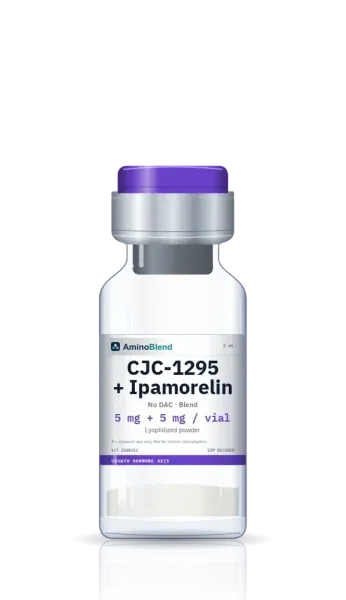
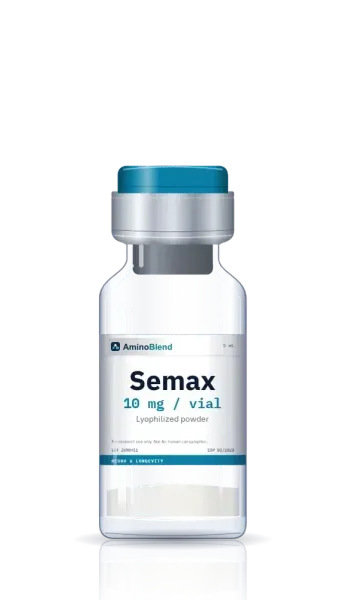
The same testing applies to tissue repair peptides, growth hormone secretagogues such as the CJC-1295 and ipamorelin blend, and nootropic peptides such as Semax, in vial, spray, capsule and pen formats. Labs ordering in volume can use the wholesale page, and anyone comparing suppliers can start from our peptides for sale in Australia overview, which groups every tested line by research area.
If you are deciding what to buy first, these are the tested lines we point most labs towards, and why:
Researchers who search for tested peptides near me rarely find a shop counter that sells them, and a local seller would still need to show you a certificate. AminoBlend keeps every lot in Australian stock and sells online to labs across the country, so you can buy from anywhere and still match the lot code on screen to its report before you pay.
Every line here is sold as a laboratory reagent and never for people or animals. Testing documents what is in a lot; it does not make any peptide approved or suitable for use in people. Ready to compare lots? Shop tested research peptides and order the fills you need today.
A seller testing its own stock has an obvious interest in the result. Third party testing means the samples from each AminoBlend lot are analysed by a laboratory that has no stake in whether the lot sells, and the report it issues carries that laboratory's name, the test date and the lot code.
Solid-phase synthesis adds one amino acid at a time, and not every coupling step succeeds. The minor peaks beside the main one are usually related peptides: deletion sequences missing a residue, chains that stopped short, or copies with an oxidised amino acid. A purity of 98% means those relatives make up about 2% of the detected peak area.
The instrument measures the molecules in the sample and reports an observed molecular mass, which the certificate places next to the theoretical mass calculated from the sequence. For a peptide the two should agree within about a dalton. A result that sits a long way off, such as a mass short by one amino acid, shows the vial holds something other than the labelled compound.
KLOW holds four compounds in one 80 mg vial, so its certificate has to identify GHK-Cu, KPV, BPC-157 and TB-500 separately, each with its own mass and its own peak. A blend certificate that names only one component has not shown the others are present. The KLOW listing and the peptide blends range show which components each vial should contain.
Some compounds give a quick sign before any paperwork. Most peptide cakes are white, but GHK-Cu is blue because of its bound copper, and so are the blends that contain it, so a white cake in a GHK-Cu vial is worth querying. After that first look, match the lot code to its record in the certificate library.
It means samples from each lot were analysed by a laboratory before sale. At AminoBlend an independent laboratory confirms identity by mass spectrometry and measures purity by HPLC, and the certificate is matched to the lot number on the vial. Ask any supplier which tests were run and by whom.
No. A certificate of analysis covers only the tests listed on it. An identity and purity certificate, which is what AminoBlend provides, does not measure sterility or bacterial endotoxin. Those need separate microbiological and LAL tests, and a result should only be assumed if it appears on the certificate.
HPLC, high-performance liquid chromatography, separates the components of a sample so each shows as a peak. The main peak's share of total peak area is reported as purity. It shows how much of the detected material is the target peptide, but it does not measure water, salts or net peptide content.
Check that the lot number matches your label, that a contactable laboratory is named, and that the report includes both a mass spectrometry result and an HPLC chromatogram. Be wary of round 100% purity, identical certificates across different products, and signs of editing such as shifting fonts or dates.
AminoBlend sells third party tested research peptides online from Australian stock. Each product page lists the lot in stock, and the matching certificate in the COA library shows the mass spectrometry identity result and HPLC purity before you buy. Pick the compound and fill, add bacteriostatic water if the vial needs it, and complete your order once you confirm you are 18 or older.