
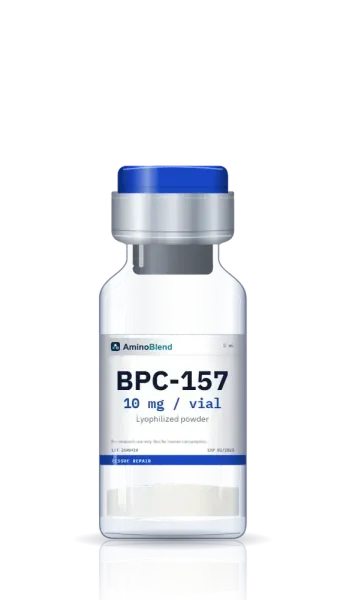
BPC-157
From $69
Research use only. AminoBlend supplies research compounds for laboratory and in-vitro use, not for human or animal consumption. By continuing you confirm you are 18 or older and buying for research.
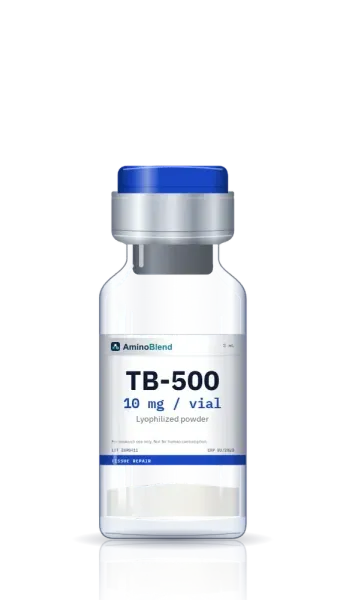
10 mg vial
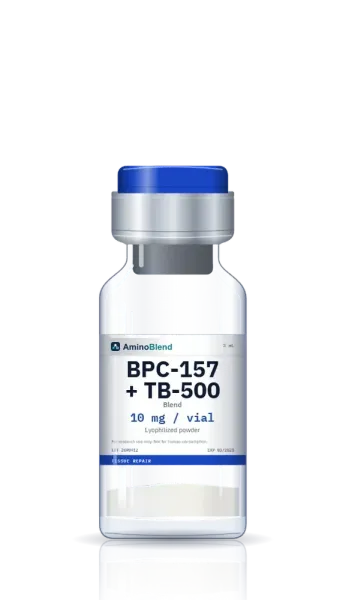
10 mg vial
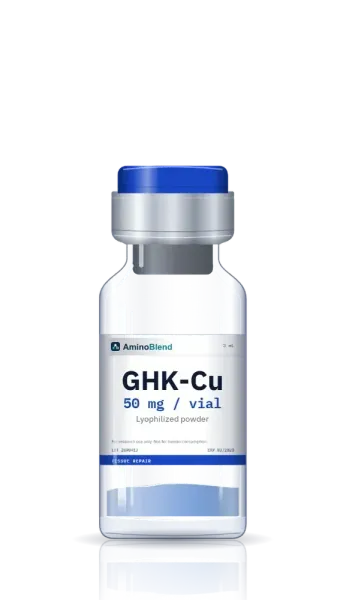
10 mg vial

Gold Coast researchers can buy lyophilised, independently tested research peptides online from AminoBlend, with every lot's certificate of analysis open to read before the order goes in. This page is for scientists, research assistants and students between Coolangatta and Coomera. It covers the local research base, the recovery and skin compounds worth shopping for, how a blend compares with single vials, and how to store stock through a humid subtropical summer.
Medical research on the Gold Coast has grown quickly over two decades. Griffith University's Southport campus hosts Menzies Health Institute Queensland, with programs spanning chronic disease, musculoskeletal health and sport. Next door, Gold Coast University Hospital anchors the Gold Coast Health and Knowledge Precinct, partly built on the 2018 Commonwealth Games athletes village. Bond University at Robina runs its own medical program. None of these has endorsed AminoBlend or has any commercial tie with us. Their emphasis on sport, injury and skin explains which shelves matter here.
The recovery peptides range is built around two compounds. BPC-157, a 15 residue peptide derived from a gastric protein, is $69 for a 10 mg vial. TB-500, based on the actin-binding region of thymosin beta-4, is $79 for 10 mg. The Wolverine blend puts both into one 10 mg vial for $69, which is $5 less than half of each single vial would cost.
Which should you buy? For dose-response work, or any study that must attribute an effect to one compound, order the two single vials. The blend locks the ratio, so you cannot vary one peptide without the other. It earns its place once a fixed-ratio combination is the thing being tested, and it halves the number of vials to reconstitute. Our BPC-157 vs TB-500 guide sets out the differences in more depth.
Why buy here? You get Australian stock, a certificate for the exact lot and a stated fill on every vial. If you order the singles, buy a 10 mL bacteriostatic water at the same time so both vials are mixed from one diluent stock, and shop the full peptide range if syringes are also on the list.
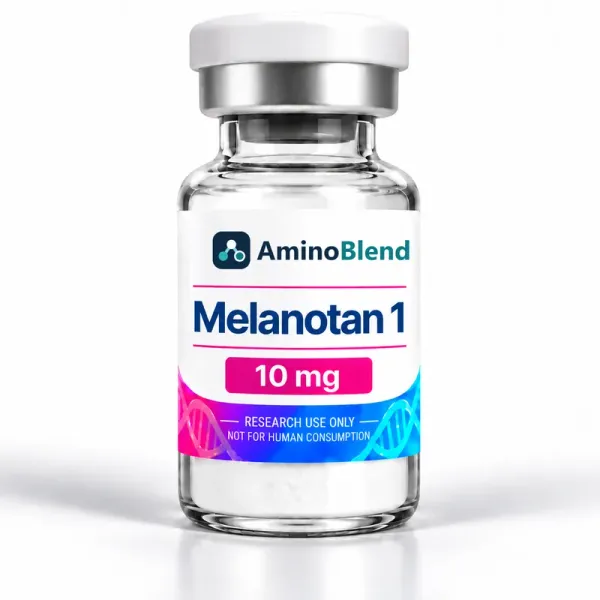
Skin cancer is more common in Queensland than almost anywhere, so UV damage and photoageing come up often in local dermal research. GHK-Cu, the copper peptide glycyl-histidyl-lysine, is the usual starting compound for collagen and wound-model studies, at $49 for 50 mg or $79 for 100 mg of blue powder. For pigmentation research, Melanotan 1 is $49 for a 10 mg vial, with Melanotan II beside it in the melanocortin range. Shop the full skin and hair peptides category for glutathione and the GLOW blend.
Search peptides near me in Surfers Paradise or Burleigh and you will mostly find clinics and supplement stores. None stocks lot-certified research vials, and there is no AminoBlend shopfront on the Gold Coast either. We sell online only, from Australian stock, so a lab at Southport and a student at Robina buy from exactly the same listings. For anyone hunting peptides near me on the Gold Coast, the online catalogue is the closest store you will find.
Coastal summers mean daytime highs around 29 °C, humidity often above 65% and afternoon storms from December to March. Apartments add a twist: the air conditioning goes off when nobody is home, and a closed high-rise room with western glass can run well above the outdoor reading. Keep sealed lyophilised vials refrigerated if they will be used within a few weeks and frozen at minus 20 °C beyond a month. Solutions stay in the fridge, away from light, for about 28 days. Avoid the fridge door, never leave vials in a car at the beach or a gym car park, and give a chilled vial time on the bench before the needle goes in.
No lot is listed for sale until an independent laboratory has tested it. Enter the label's lot number in the COA library and confirm the numbers match, the mass spectrometry result fits the expected weight, and HPLC purity is stated with its chromatogram and a test date. For the Wolverine blend, the certificate should identify both peptides. Mixing 2 mL of bacteriostatic water into a 10 mg BPC-157 vial yields 5 mg per mL; the reconstitution calculator covers other volumes.
AminoBlend sells laboratory research materials, and nothing in the range is TGA approved. The products are not for human consumption, injection or veterinary use, and orders are accepted only from adults 18 and over. For the wider South East Queensland scene, see our peptides Brisbane page.
AminoBlend sells research peptides to Gold Coast buyers online from Australian stock, and there is no local shop. Each vial's lot number links to an independent certificate in the COA library, letting you confirm identity and purity before you buy. All products are research materials only, are not TGA approved and are sold to people aged 18 or over.
It depends on the study design. Separate 10 mg vials are better for dose-response work, because you can change one compound without changing the other. The $69 blend suits studies where a fixed combination is the variable being tested, and it means one vial to reconstitute instead of two. A sensible path is to start with singles and add the blend later.
Keep sealed vials chilled at 2 to 8 °C, or at minus 20 °C for storage beyond a month, and hold reconstituted solutions in the fridge for up to about 28 days. Let a cold vial warm before piercing it so moisture does not condense inside, and avoid the fridge door, where temperatures swing the most.
GHK-Cu is the usual starting point, offered in 50 mg and 100 mg vials and widely studied in collagen and wound models. For pigmentation work, Melanotan 1 and Melanotan II are each available as 10 mg vials. Glutathione and the GLOW blend sit in the same skin category for antioxidant and combination studies.